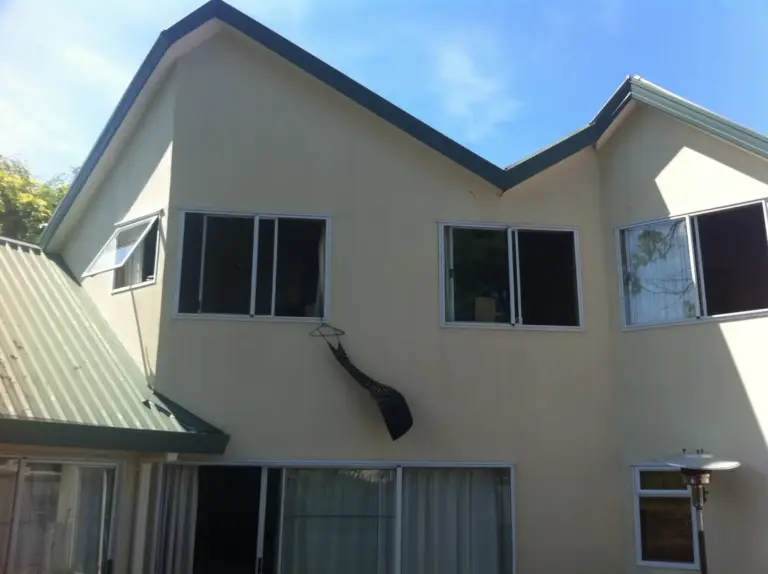
Plaster Homes
Our service doesn’t end when the scaffolding comes down. We remain available for post-project support and guidance, should you have any questions or concerns after the work is complete.
Understanding
Plaster Homes
What You Need to Know About Plaster Homes in New Zealand
Not all plaster homes carry the same level of risk. The combination of cladding type, build era, and design detailing plays a significant role in determining whether a property is likely to experience weathertightness issues. Understanding these factors is the first step in making an informed decision.
Certified
Certified Builders Halo 10 Year Guarantee
LBP certified in Carpentry and Design
Registered Licensed Building Practitioners
The High-Risk Build Era
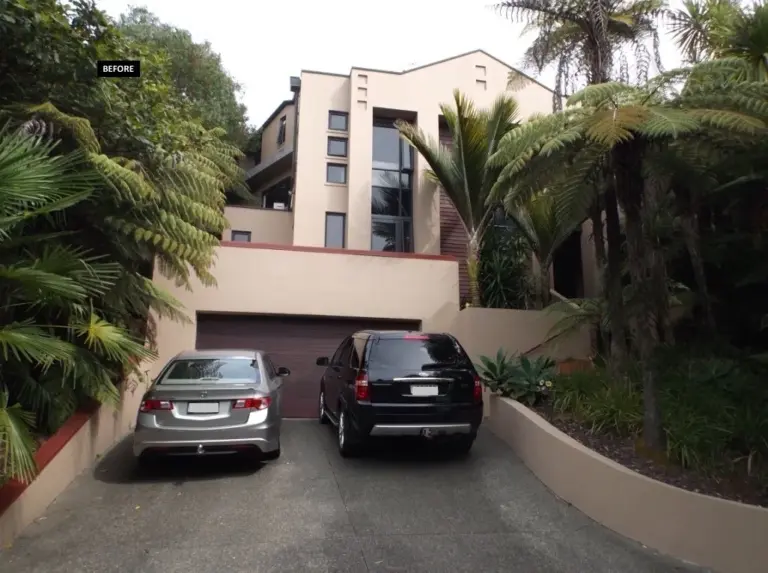
Homes built between approximately 1988 and 2004 are considered high risk. During this period, modern design trends were commonly combined with direct-fixed cladding systems that provided little tolerance for moisture ingress. Key factors include:
- Direct-fixed cladding with no drainage cavity
- Untreated timber framing
- Poor flashing and junction detailing
- Sealed systems that allowed moisture in but provided no means of escape
Common Cladding Types
Most plaster or monolithic-clad homes fall into one of three categories:
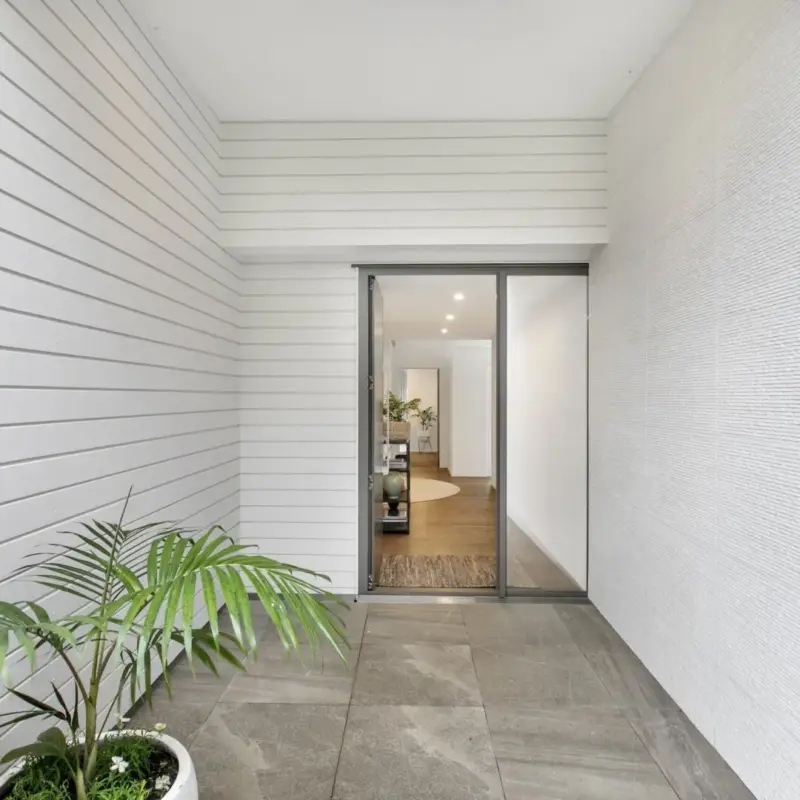
- Stucco (solid plaster) — cement-based plaster applied over mesh or board
- Texture-coated fibre cement — sheet cladding with a plaster finish, commonly Harditex-style systems with or without a vented cavity
- EIFS (polystyrene systems) — expanded polystyrene sheets with mesh and plaster coating with or without a vented cavity

High-Risk Design Features
These are the design features we look for during inspections and pre-purchase assessments.
- Membrane gutters.
- Internal gutters.
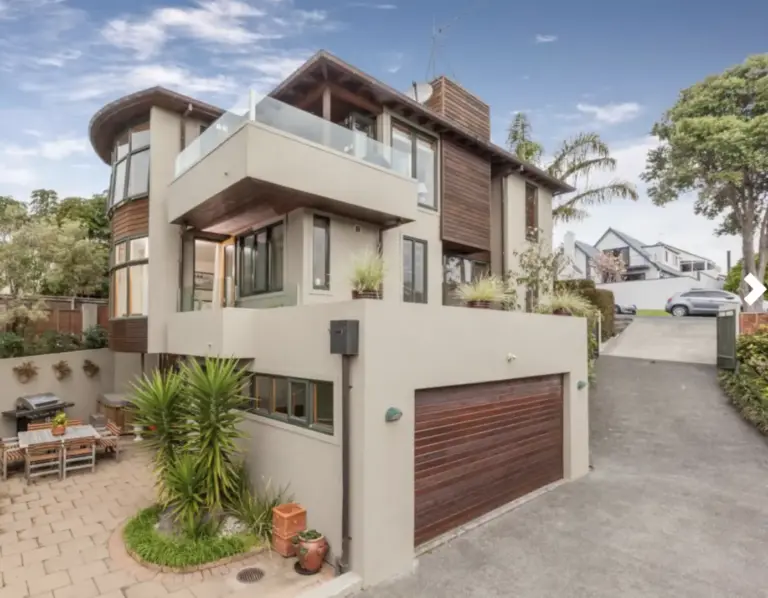
- Flat roof and low pitch roof designs.
- Parapet walls and parapet gutter details.
- Membrane decks, balconies, and terraces.
- Decks over habitable or living areas.
- Roof penetrations including flues, vents, skylights, solar installations, balustrade fixings, and service penetrations.
- Glass roof systems and glazed roof structures.
- Skylights, roof lights, and roof glazing systems.
- Complex roof designs and roof geometries.
- Multiple intersecting roof planes.
- Complex roof-to-wall junctions.
- Inadequate falls to roofs, gutters, decks, or internal gutters.
- Tiles installed directly over membrane deck systems.
Joinery & Flashing Risks
- Joinery-to-roof junctions with insufficient clearance for compliant apron flashing upstands.
- Missing, inadequate, or poorly installed head flashings to windows and doors.
- Joinery installed too close to roof surfaces, decks, paving, or finished ground levels.
- Complex joinery configurations including stacked, corner, recessed, or oversized glazing.
- Inadequate sill flashing or drainage provisions.
- Deteriorated sealants and weather seals around joinery.

Cladding Risks
- Cladding extending to or below ground level.
- Insufficient ground clearances.
- Direct-fixed cladding systems with limited drainage and drying capability.
- Mixed cladding systems creating complex junction details.
- Multiple cladding interfaces and transitions.
- Older-style PVC cladding systems.
- Older glass block (block glass) wall and cladding systems.
- Deteriorated glass block sealants, movement joints, and waterproofing details.
- Older cedar cladding exhibiting cupping, splitting, excessive shrinkage, cracking, weathering, or deterioration.
- Cedar weatherboards installed on a 45-degree angle where the board orientation may direct water towards joinery, internal corners, external corners, or cladding junctions.
- Aged or poorly maintained timber cladding systems.

Junction & Architectural Risks
- Complex cladding junctions.
- Complex internal and external corners.
- Wall-to-roof intersections.
- Deck-to-wall junctions.
- Balconies with enclosed or solid balustrades.
- Changes in cladding planes and stepped facades.
- Architectural features that create water traps.
- Boxed-out details, facades, and decorative projections.
- Junctions where multiple building elements intersect.
- Penetrations through cladding systems.
- Junctions between glass roofs, cladding systems, and conventional roofing materials.

Other High Risk Features
- Minimal or absent eaves and soffit overhangs.
- High wind zone or severe weather exposure locations.
- Restricted access areas limiting inspection and maintenance.
- Aged, deteriorated, or poorly maintained flashings and waterproofing systems.
- Deteriorated sealants and movement joints.
- Evidence of previous moisture ingress, decay, or weathertightness repairs.
- Deferred maintenance affecting the building envelope.

The Low-Maintenance Misconception
Plaster homes are often marketed as low maintenance, but many carry the highest risk. Systems with no eaves, sealed cladding, and membrane roofs or decks rely entirely on perfect installation and consistent upkeep. Where either is lacking, the consequences can be costly.
It is not the plaster cladding alone that creates risk — it is the design. Features such as internal gutters, flat roofs, membrane decks, and parapet walls are where most failures occur. Our work is to identify those risks and rebuild properly.